

Quick Answer:
Algorithm-proof content focuses on value, intent, and adaptability rather than platform-specific tricks. Instead of chasing short-term visibility, it builds consistent relevance that remains useful over time. By aligning content with user needs, structuring it for longevity, and updating it strategically, creators can maintain performance even when algorithms change. Sustainable growth comes from systems, not hacks.
Traffic spikes feel rewarding, until they disappear overnight. A single platform update can shift rankings, reduce reach, or change visibility patterns without warning. This unpredictability has reshaped how content must be created. The real question is no longer how to rank today, but how to create evergreen content for SEO that continues to perform regardless of algorithm shifts.
Why Algorithms Keep Changing, and Why It Matters
Algorithms evolve to improve user experience. They prioritize relevance, clarity, and satisfaction over manipulation. As a result, tactics that once worked, keyword stuffing, clickbait, or shallow content, lose effectiveness over time.
This constant change exposes a gap. Content built for algorithms fades quickly. Content built for users adapts naturally. That distinction defines content that survives algorithm changes.
The Difference Between Temporary Wins and Lasting Value
Short-term content often focuses on trends, quick visibility, or viral formats. While it can generate immediate results, it rarely sustains performance.
Long-term content, on the other hand:
- Solves ongoing problems
- Remains relevant across time
- Adapts through updates rather than replacement
Learning how to create evergreen content for SEO shifts the focus from chasing rankings to building assets that retain value.
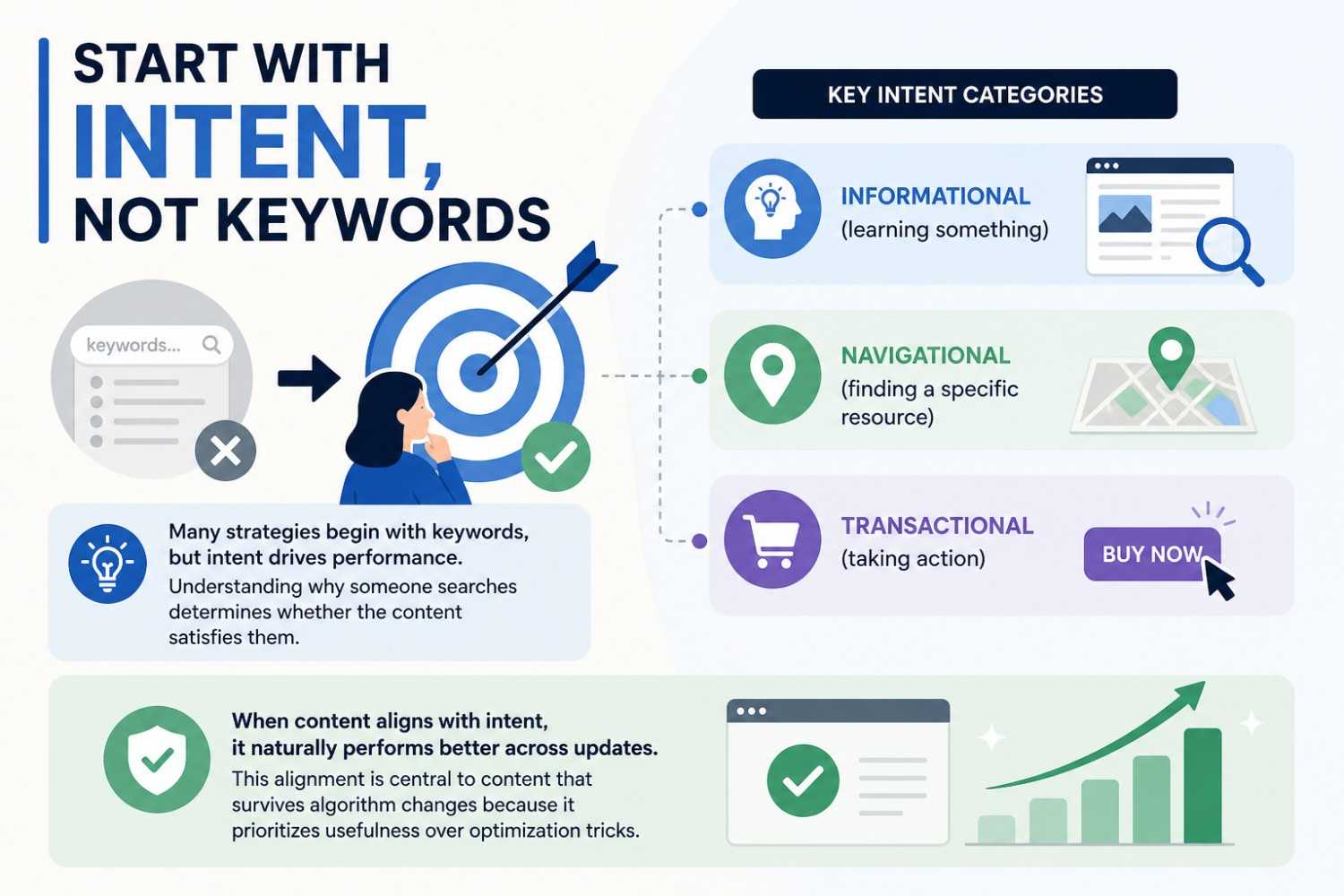
Start with Intent, Not Keywords
Many strategies begin with keywords, but intent drives performance. Understanding why someone searches determines whether the content satisfies them.
Key intent categories include:
- Informational (learning something)
- Navigational (finding a specific resource)
- Transactional (taking action)
When content aligns with intent, it naturally performs better across updates. This alignment is central to content that survives algorithm changes because it prioritizes usefulness over optimization tricks.
Build Around Core Topics, Not Isolated Pieces
Isolated articles struggle to maintain relevance. Strong content systems are built around interconnected topics.
A structured approach includes:
- Core pillar content that covers broad themes
- Supporting pieces that explore subtopics in depth
- Internal connections that guide users naturally
This creates a network of value rather than standalone posts. It also strengthens long-term content strategy SEO, ensuring that content remains discoverable and relevant over time.
Write for Clarity, Not Complexity
Complex language often reduces engagement. Algorithms increasingly favor content that is easy to understand and navigate.
Effective content:
- Uses clear, direct sentences
- Avoids unnecessary jargon
- Prioritizes readability
Clarity improves both user experience and retention, which directly impacts performance. It’s a foundational principle in how to create evergreen content for SEO because simplicity ensures accessibility across audiences.
Update Content Instead of Replacing It
One overlooked strategy is maintaining existing content rather than constantly creating new pieces.
Regular updates should include:
- Refreshing outdated information
- Improving structure and readability
- Expanding sections with new insights
This approach keeps content relevant without losing its existing authority. It also reinforces future-proof content marketing, where longevity is prioritized over volume.
Optimize for Depth, Not Just Length
Long content doesn’t guarantee value. Depth comes from covering a topic meaningfully, not just extensively.
To create depth:
- Address real user questions
- Provide actionable insights
- Eliminate unnecessary filler
Depth signals quality, which helps content remain competitive even as algorithms evolve. This is another key factor in mastering how to create evergreen content for SEO effectively.
Design for Multi-Platform Adaptability
Content should not depend on a single platform. Algorithm-proof strategies ensure that content performs across different environments.
Adaptability includes:
- Structuring content for both search and social
- Repurposing content into different formats
- Maintaining consistency in messaging
When content can move across platforms, it reduces dependency on any one algorithm. This flexibility strengthens content that survives algorithm changes.
Focus on Engagement Signals That Last
Engagement is no longer just about clicks. Time spent, interaction depth, and return visits now play a significant role.
To improve engagement:
- Deliver value early in the content
- Maintain logical flow
- Avoid misleading headlines
Sustained engagement signals relevance, which helps content maintain visibility over time. This aligns directly with how to create evergreen content for SEO in a meaningful way.
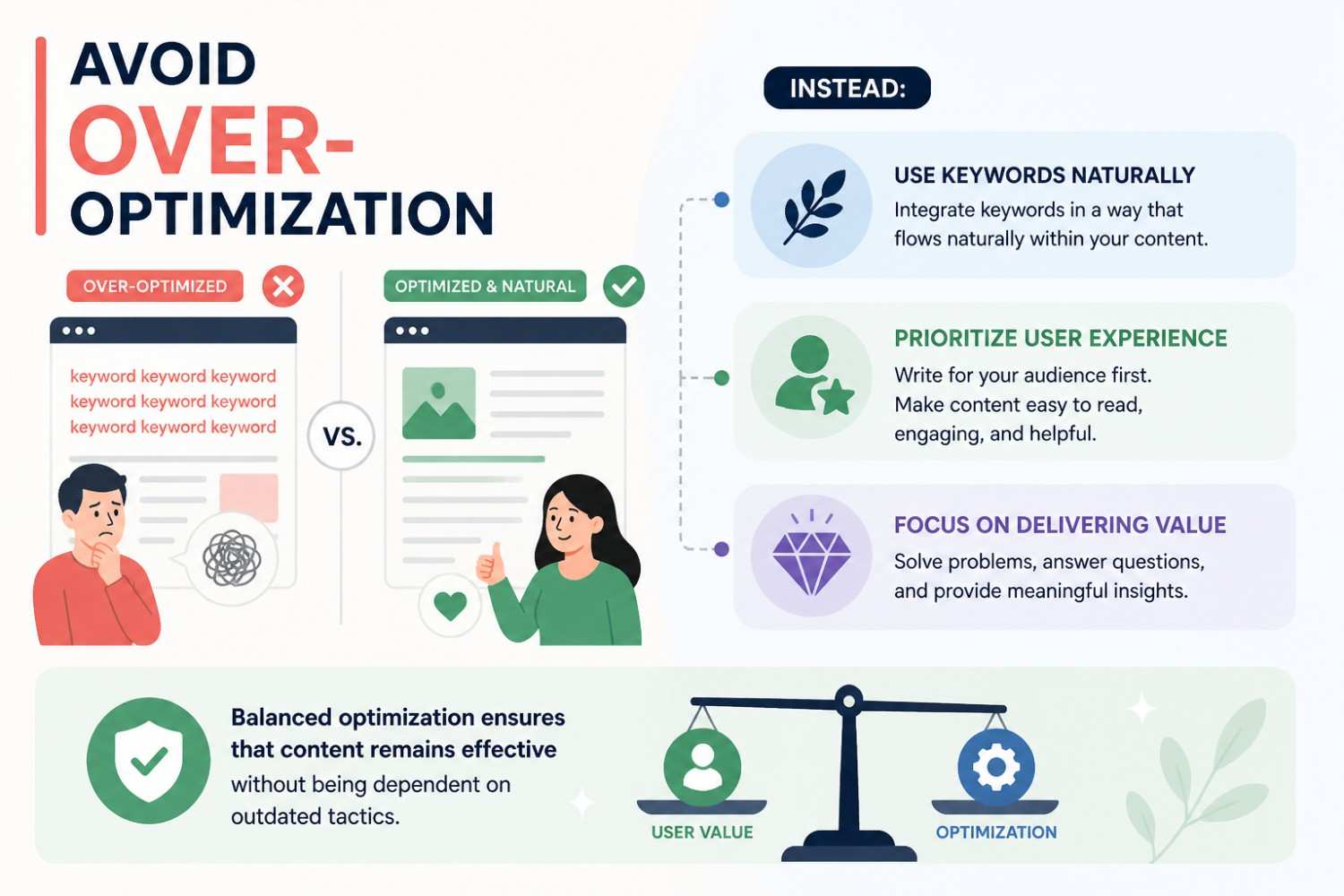
Avoid Over-Optimization
Over-optimized content often feels unnatural. Excessive keyword usage, forced structure, or rigid formatting can reduce readability.
Instead:
- Use keywords naturally
- Prioritize user experience over technical tricks
- Focus on delivering value first
Balanced optimization ensures that content remains effective without being dependent on outdated tactics.
Measure What Actually Matters
Metrics should reflect long-term performance, not just immediate results.
Focus on:
- Consistent traffic over time
- Engagement quality
- Content lifespan
These indicators provide a clearer picture of whether content is truly sustainable. They also reinforce the principles of how to create evergreen content for SEO beyond short-term gains.
Building Content Systems, Not Just Content Pieces
The strongest strategies treat content as a system rather than individual outputs.
A system includes:
- Planning topics based on long-term relevance
- Structuring content for scalability
- Continuously refining based on performance
This approach reduces reliance on constant creation and increases overall efficiency. It also ensures alignment with future-proof content marketing, where consistency drives growth.
Staying Relevant Without Chasing Every Trend
Trends can be useful, but they should not define strategy. Chasing every new format or topic often leads to inconsistency.
Instead:
- Evaluate trends based on relevance
- Integrate them into existing frameworks
- Avoid abandoning core content focus
This balance allows content to remain current without losing its foundational value.
The Real Advantage of Algorithm-Proof Content
The goal is not to avoid change, but it’s to remain stable through it. Content built on value, clarity, and relevance adapts naturally as algorithms evolve.
By focusing on:
- User intent
- Content depth
- Structural clarity
- Continuous improvement
Content becomes resilient rather than reactive.
Learning how to create evergreen content for SEO is not about predicting algorithms. It’s about building content that doesn’t depend on them.